By EPHRAIM KASOZI
The absence of literature dedicated to the subject of counterfeits in water is absorbed in the hands of the abundant scarcity of information relating to the quality and safety of drinking water in Africa, which hinders efforts against concealed dangers of counterfeits and fake products.
Kampala lawyer, Fred Muwema says that any meaningful talk about breaking new grounds to accelerate access to safe water and sanitation must also address the biggest threat to existing safe water supplies before effectively seeking provision of more supply.
“…most people refer to this big threat as water contamination but in plain speak; we refer to this menace as water counterfeit. We do so because a counterfeit relates to an imitation of the genuine thing and we see a lot of imitations all through the water value chain right from source to consumer and final water waste disposal,” he explains.
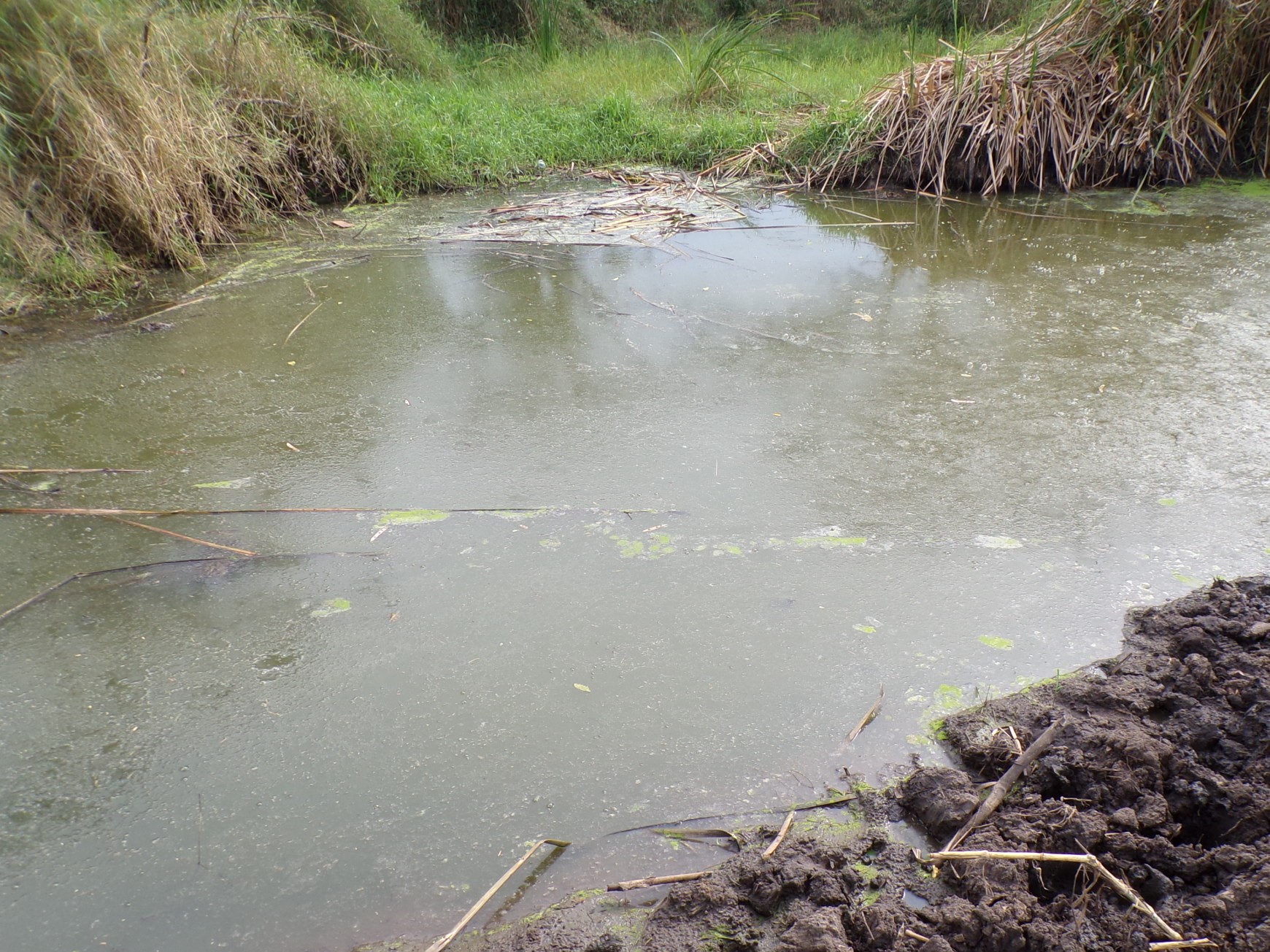
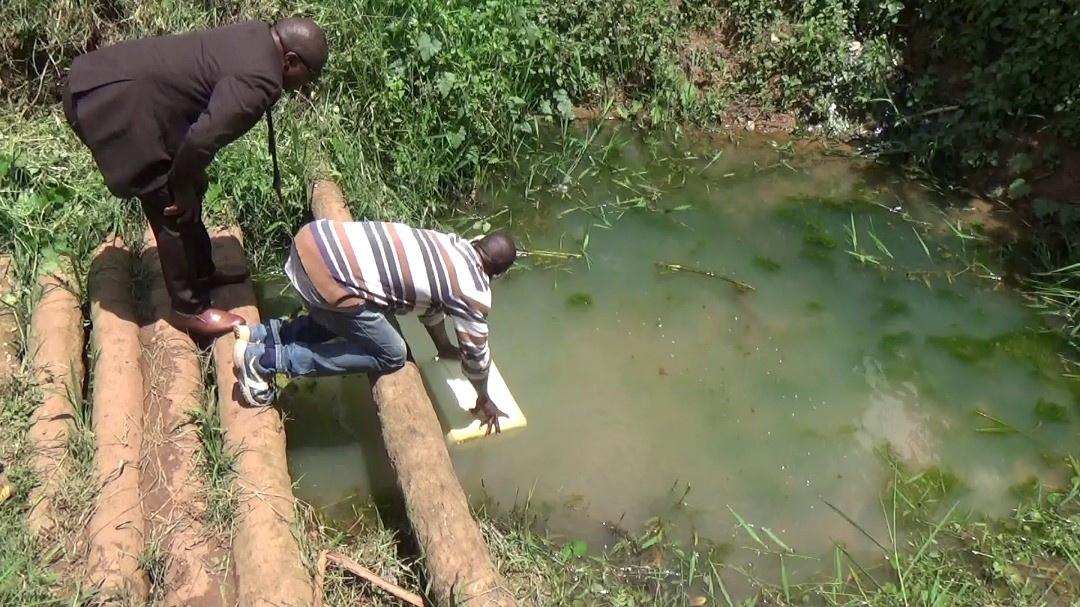
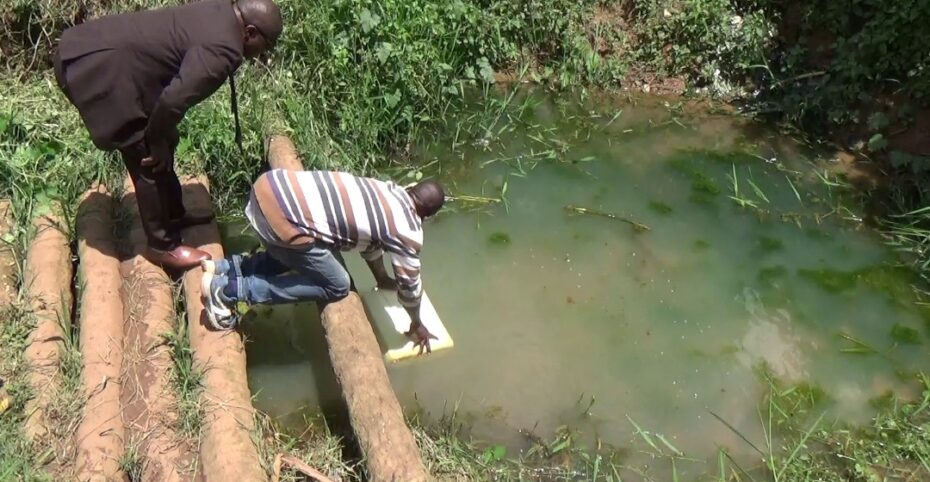
Muwema, the Director Legal and Corporate Affairs at Anti Counterfeit Network (ACN) says that the provision of unsafe water caused by water pipes laced with heavy metals like lead or mercury or the unsuitable storage of water in plastic black tanks scattered on the African landscape.
He says that this attracts contamination through micro-organic growth in stored water under the hot African weather which is testament of how far behind Uganda and Africa is lagging in understanding the problem.
Muwema’s debate is courtesy of the ACN’s Strategic Partnership to fight counterfeits across all sectors with TOTAL UGANDA in understanding why counterfeits are defeating the attainment of the Sustainable Development Goal (SDG) No. 6, which promotes access to safe drinking water.
He says that the individual handling and disposal of domestic waste, a common but major water pollutant, is edging out the still dangerous and growing sippage of industrial effluents, pesticides and fertilizers.
“All this contamination is happening right in front of us but we as the consumers are either looking away or remaining spectative. Most people believe that it is the duty of someone else to clean up. This will never become an absolute truth in our time,” says Muwema.
He adds: “You can already see that most of the counterfeits in water and indeed in all other products and services is driven fundamentally by the consumer. It is the consumer’s lack of awareness which provides a sustainable environment and market for the contamination, manufacturing, distribution, selling and buying of counterfeits.”
He identifies several factors like poverty, regulatory and enforcement weaknesses, lack of or misapplying of scarce resources which he says broadly affect many good interventions to fight counterfeits.
According to Muwema, the single most important factor that will break any anti-counterfeit intervention is the extent to which consumers buy-in or get involved in the intervention which suggests that a consumer-led strategy to fight against counterfeits is less costly and more effective in the short and long run.
“If the consumer who is the main target of the counterfeits is not enabled to differentiate between the genuine and counterfeit products, then any fight against counterfeits shall be denied the much needed public support,” says Muwema appealing for more self-awareness of the concealed dangers of counterfeits and fakes to the wider economy and ourselves as the consumers.
He says that counterfeiting in water is inimical to the very essence of human survival.
A 2016 World Health Organisation (WHO) report stated that 80 percent of diseases in Africa are waterborne, confirming our hostile stand which includes diseases contracted as a result of direct consumption of contaminated water or through the consumption of animal and other products which draw from the stain of contaminated water.
“So it should be clear to all that counterfeiting in water presents the most dangerous kind of counterfeiting. This is because it not only affects human, animal and plant health but it also severely damages the whole aquatic ecosystem. Anyone advocating to save the environment and stop climate change should contemporaneously acknowledge counterfeits as a serious impediment to their efforts,” he explains.
Muwema says that counterfeiting in water is a crime against humanity because it has weaponized water to cause mass and indiscriminate deaths much like terrorism and other war crimes.