BY EPHRAIM KASOZI
Ugandans should desist from pointing fingers and blaming those in authority but instead support the institutions by reporting and stopping continued wetland degradation within their localities.
President Yoweri Museveni has also asked the Ministry of Water and Environment jointly with all partners to double efforts towards securing wetlands.
He said that wetlands are biodiversity hotspots, granaries of water, carbon sinks and sources of livelihood which require us to promote irrigation off the wetlands, fish farming at the edges of the wetlands and also support value addition of wetland products.
“I want to advise all those in wetlands to leave the wetlands peacefully. Let us use the Parish Development Model to support our people start alternative developments and stop relying only on wetlands. I want to call upon the private sector and all development partners to take an interest in supporting wetland conservation because it is key to our survival,” the president said.
He explained that people should leave the swamps to perform their functions because the country stands to lose if we tamper with the ecosystems; “and we will end up with desertification. Therefore, let us not be selfish and deny others and the future generations; clean water, water for irrigation, wetland resources and food.”
He also appealed to all nature loving Ugandans to invest in protecting wetlands for the future and declared 2025 a year of wetlands action countrywide.
“We need more new innovations and value-chains for wetland resources if we are to cause socio-economic transformation. The academia, research institutions and private sector need to take a keen interest in this. Let us support companies like MAKA pads that are already doing something positive by producing Sanitary towels from Papyrus,” Museveni said.
According to Museveni healthy wetlands are key in rainfall formation, managing the water balance above the ground and below ground, where water flows and is stored. He said that degradation of wetlands can result in negative impacts on our health, water levels and quality, as well as other key functions that wetlands provide.
He reiterated government commitment to promoting sustainable wetland management and human development through collective action saying that several decisions have been made to include the 2011 Cabinet decision to create Environment Protection Police Unit, the 2014 Cabinet directive to cancel titles erroneously issued in wetlands, gazettement of all wetlands, wetland restoration and demarcation of wetland boundaries.
He also cited the latest Global Biodiversity Assessment which indicates that wetlands are disappearing three times faster than forests as confirmed in the recent National Biodiversity Assessment that places wetlands as the most threatened of all Uganda’s ecosystems.
“The consequences of environmental degradation are real and we are now crying of high temperatures, erratic rains and crop failure. If you watch global news you will know that many disasters have happened around the world in recent months including wildfires, cyclones, floods and hurricanes,” he said.
In the Speech read for him by Vice President Jessica Alupo, the president described the event as an occasion to celebrate the country’s rich natural heritage and also to appreciate that Uganda is indeed gifted by nature because the diversity and vibrancy of the environment is not only appreciated here in Uganda but world over.
Museveni emphasized that the country has moved from a situation where wetlands were regarded as wastelands to the present state where they are now considered as valuable assets for national development and poverty reduction.
Under the National Development Plan III, wetlands are a key sector for ‘sustainable industrialization, inclusive growth, employment and wealth creation.’
By commemorating the World Wetlands Day, the president said it symbolises Uganda’s commitment towards joining the global community in affirming the common concern on the conservation and management of wetland resources.
The day also provides us the opportunity to take stock of how much has been accomplished by Uganda as a Contracting Party to the Ramsar Convention since 1988.
On February 2 2025, Uganda joined the rest of the world in commemorating the World Wetlands Day marking the 54 year anniversary of the signing of the Ramsar Convention. The Convention emphasizes the importance of wetlands and calls for their conservation through sustainable use.
In 2025, the country’s wetland cover stood at 8.9 percent and by 2021, the figure increased to 9.3 percent reflecting a 0.4 percent increment in intact wetland areas.
In Uganda, the wetlands day was celebrated under the theme ‘Conserving Wetlands today for a secure tomorrow’ where the stakeholders reflected on the importance of wetlands and their sustainable management.
The Minister for Water and Environment, Sam Cheptoris asked Ugandans to reflect on their actions and the important role wetlands play in supporting life and livelihoods.
“This occasion serves as an opportunity to raise awareness about the importance of wetlands for current and future generations,” said the minister, reasoning that protecting wetlands is not just about environmental preservation but rather securing economic development for future generations.
He added: “By acting now, we can ensure that these ecosystems continue to thrive, supporting biodiversity, livelihoods, water filtration and providing buffers against extreme weather events like floods and storms.”
Role of wetlands
Wetlands are integral to Uganda’s economy, supporting hydropower generation, agriculture, and tourism.
They provide water for domestic use and agriculture, act as breeding grounds for fish and serve as vital habitats for biodiversity.
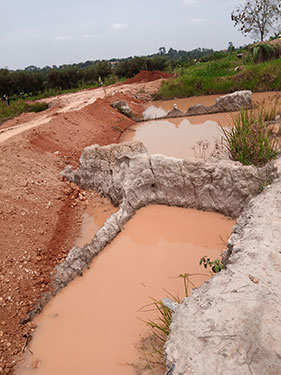
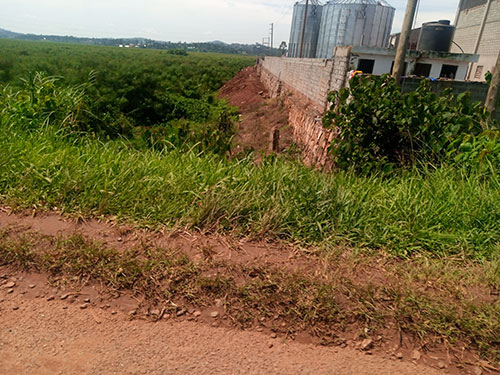
Despite their importance, the country is losing wetlands due to unsustainable urban development, overharvesting, pollution and agricultural expansion.
Plan
Government has recently approved a 10-year Environment and Natural resources restoration Action plan which builds on the UN decade of ecosystem restoration. It is envisaged that this plan will strengthen the already existing efforts in wetland restoration.
Due to the government’s efforts in restoration, the wetlands in Uganda are beginning to show some recovery with the coverage of intact wetlands increasing from 8.9% in 2015 to the current 9.3%. We still have a target to recover our wetlands to 12% by 2040.