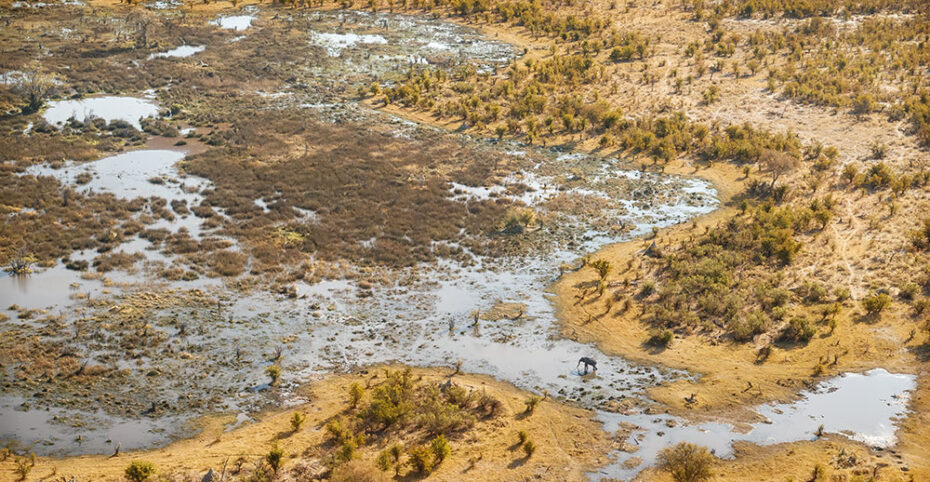
Summary: Wetlands deliver a wide range of ecosystem services that contribute to human well-being such as fish, water supply, water purification, climate regulation, flood regulation, recreational opportunities, and increasingly tourism
By EPHRAIM KASOZI
Government has asked Ugandans to make conscious choices to stop polluting wetlands because of the multiple benefits and nature-based solutions they provide for human well-being and a healthy planet.
Samuel Cheptoris, the Minister of Water and Environment appealed for the restoration of the lost and degraded wetlands to revive the rich biodiversity and life found in these life-sustaining ecosystems.
“…despite the numerous benefits that humans receive from wetlands and concerted efforts by Government to conserve wetlands, 3 every day wetlands are damaged by human beings. Wetlands are being destroyed by unsustainable agricultural practices which are a primary cause of wetland loss through drainage and infilling,” said Mr Cheptoris in a statement regarding the commemoration of world wetlands day.
He revealed that wetlands’ decline recorded between 1994 and 2015, were 6,146.6 sq.km of wetlands was lost; 2.5 percent of Uganda’s total coverage of wetlands which caused concern and drastic measures had to be undertaken to avert further decline.
Cheptoris said that the government has made timely concerted effort over the last 30 years at various national levels to ensure the conservation and wise use of wetland resources.
“This year Government has taken further decisions to scale up actions on wetland conservation that includes but not limited to cancelling of wetland titles, restoration of degraded wetlands, strengthening of compliance monitoring and enforcement and provision of alternative livelihood to wetland users to bring the process of wetland conversion under control,” he added.
Cheptoris said that communities particularly those living near wetlands, are highly dependent on these services and are directly harmed by their degradation.
“Wetlands and people are ‘life interlaced’. Wetlands are central to our wellbeing. Wetlands deliver a wide range of ecosystem services that contribute to human well-being such as fish, water supply, water purification, climate regulation, flood regulation, recreational opportunities, and increasingly tourism,” he said.
According to the minister, as Uganda aspires to become an upper middle-income country and, to achieve ‘sustainable industrialization for inclusive growth, employment and wealth creation, it would require investments not only in produced and human capital, but also in natural capital that includes wetlands resources.
National Coordinator at the Climate Action Network Uganda (CAN-U), Mr Anthony Wolimbwa attributes to the decline in the wetlands to poor governance of wetland resources coupled with lack of separate legislation for wetlands.
“We do not have a direct wetland law and the government is using the National Environment Management (NEMA) Act which is a framework law, Failure to have a specific law to regulate wetlands is a very big challenge,” he says.
Wolimbwa says that most of the wetlands are being given to investors by the very government; “So the government prefers the investors to destroy wetlands because they think investors bring in ready cash and they do not seem to see any value that wetlands provide.”
He accuses the government people especially the investment side of looking more into having more investors thinking that they can provide more jobs, taxes and more cash to the economy but at the expense of wetland protection.
On February 2 this year, Uganda joined the rest of the world to celebrate World Wetlands Day, denoting the date of the selection of the Convention on Wetlands on February 2, 1971.